Patient information · Assessment and treatment
TMJ splint therapy in Dubai: fitting and follow-up
A splint is a removable appliance worn over the teeth. I use repositioning and muscle-relaxation splints in my practice. The design and wear schedule depend on the assessment of your jaw joints, chewing muscles and teeth.
Splint, night guard or mouthguard?
The terms mouthguard, night guard and splint are used for appliances with different purposes. Some mainly protect the teeth from grinding forces; others are used to treat joint or muscle symptoms. Their suitability depends on the design and your examination findings, rather than the name alone.
At MedPalm Dental, I explain why I recommend a particular appliance, when to wear it and when to return for a review. The main designs I use are described below.
Repositioning and muscle-relaxation splints
I use different splint designs for different treatment goals. A repositioning splint guides the lower jaw into a treatment position selected after assessment and helps maintain that position while it is worn. I design its surface and the contacts with the opposing teeth for this purpose.
I use a muscle-relaxation, or stabilisation, splint to help manage tension in the chewing muscles. This appliance has a smooth working surface, based on the Michigan splint design. In my practice, I more often make it for the lower jaw. During fitting, I check how the opposing teeth meet and glide across its surface.
I choose the design after examining your joints, muscles and teeth. Its purpose determines the surface shape, the jaw position recorded when making it and how long you need to wear it each day.
| Design | Purpose | What is reviewed |
|---|---|---|
| Repositioning | Guide the lower jaw into the selected treatment position and maintain it during wear. | Joint and muscle symptoms, jaw movement, comfort in the selected position and appliance contacts. |
| Muscle-relaxation (stabilisation) | Help reduce chewing muscle tension using an individually adjusted smooth surface. | Muscle tenderness and tension, appliance fit and contacts during closure and movement. |
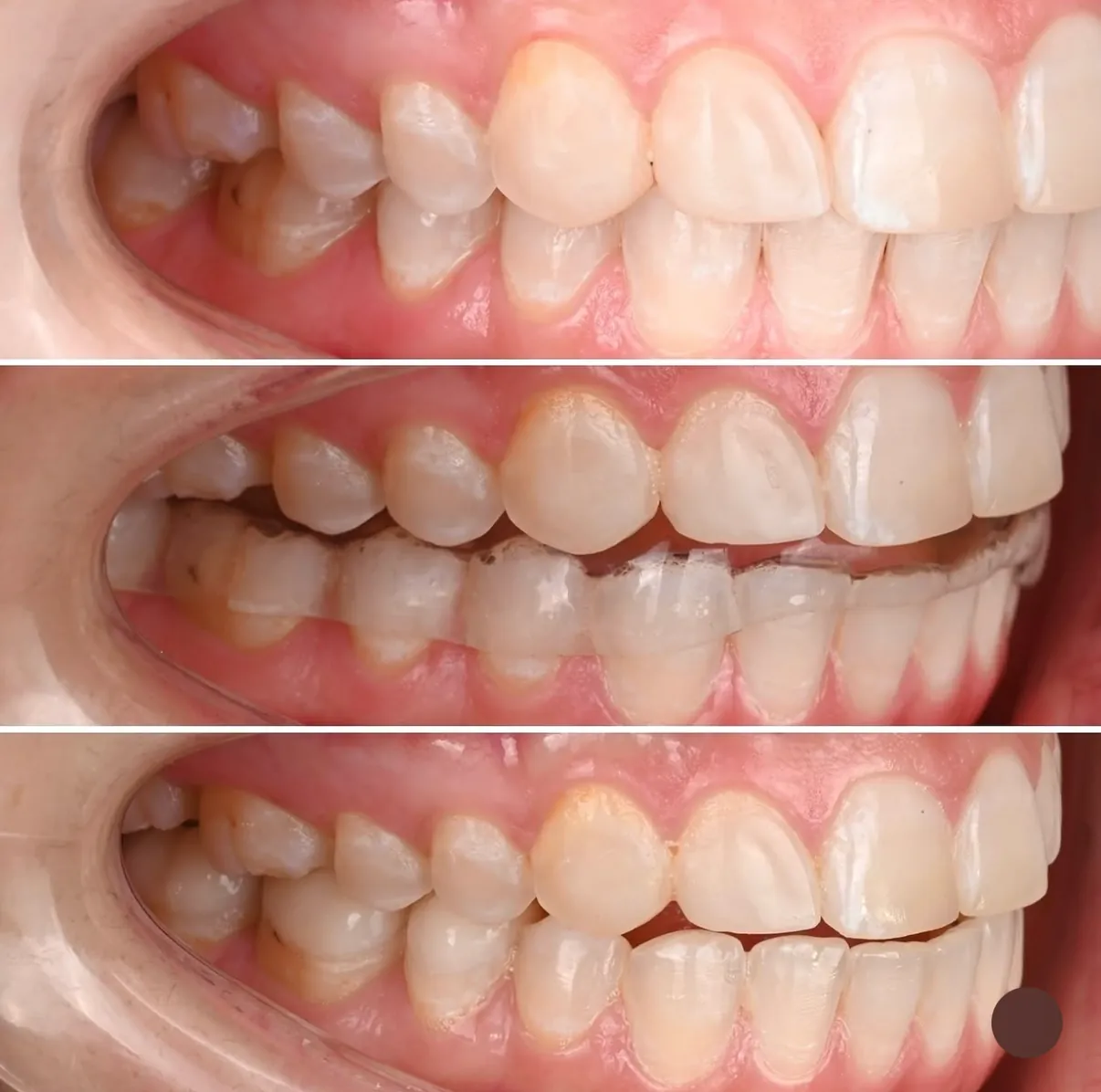
Assessment before an appliance is made
I ask how long you have had pain and what it feels like. I check mouth opening, joint and muscle tenderness, the health of your teeth and gums, and existing restorations. If you have worn an appliance before, tell me how it affected your symptoms.
Scans or impressions are used to make models of your teeth. If I need more information about jaw movement to design the splint, I take movement recordings and use them to set the articulator.
From records to the finished appliance
After taking impressions or scans, I record the jaw position needed for your splint. I send the laboratory instructions showing how the models should meet, which teeth the appliance should cover and where the opposing teeth should contact its surface. If the plan uses an individually adjusted articulator, I include the movement records needed to set it up.
The laboratory makes the appliance and shapes its surface. At the fitting appointment, I check it in your mouth as you close and move your jaw.
Records
Scans or impressions and a jaw relationship record.
Model and design
A working model, relevant articulator settings and laboratory prescription.
Finished appliance
Manufacture followed by in-mouth fit and contact checks.
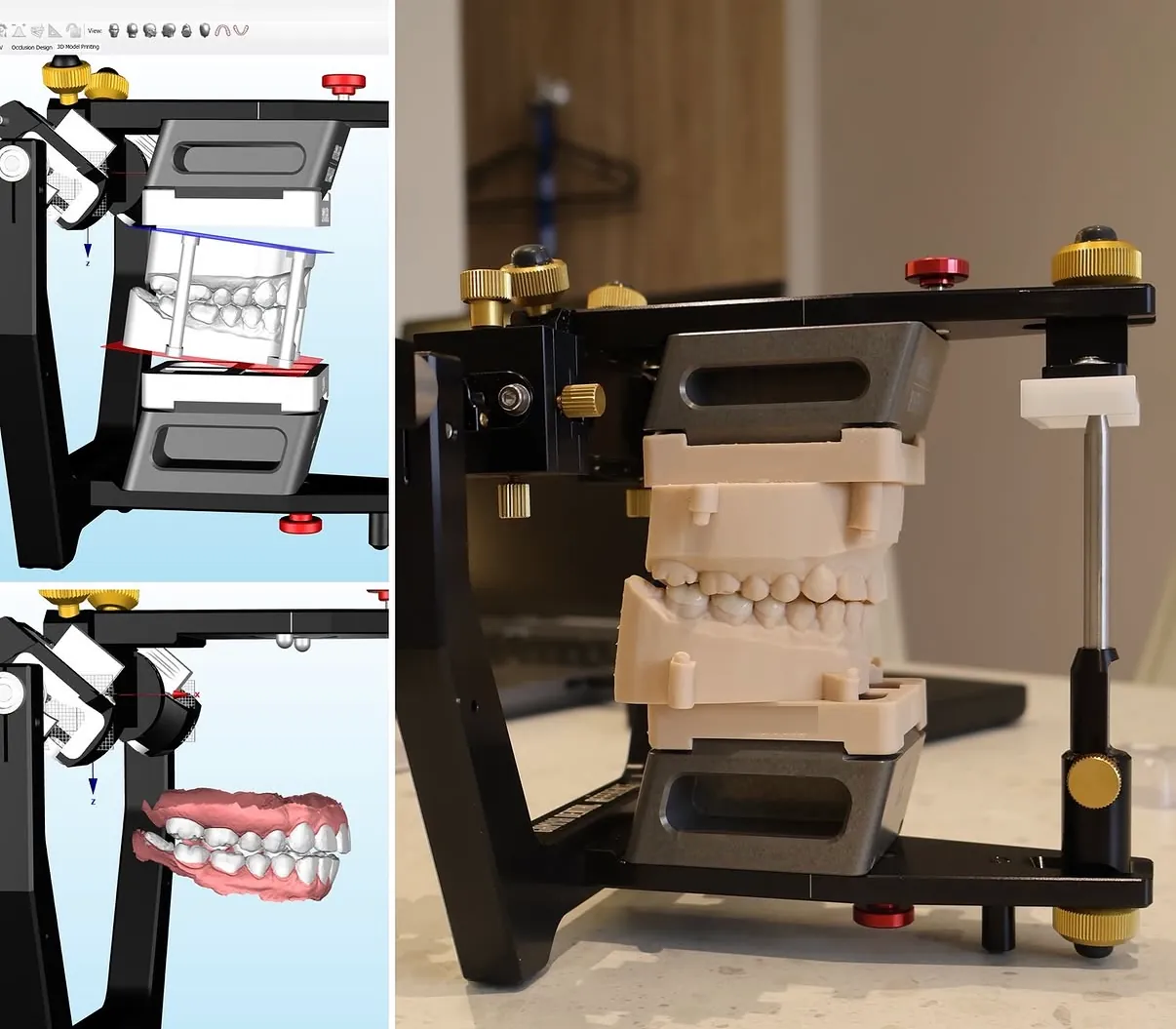
Making and fitting your splint
At the fitting appointment, I check that the splint fits securely, can be removed easily and does not press uncomfortably on individual teeth or the gums. I also check how the opposing teeth meet its surface as you close and move your jaw.
I show you how to put the splint in, remove it, clean it and store it. I explain how many hours to wear it, arrange your next review and tell you how to contact me if you develop discomfort.
Fabrication usually takes 7–10 days after the necessary records are collected. We agree the fitting date with the design and laboratory schedule in mind.
Wearing it and returning for review
A muscle-relaxation, or stabilisation, splint is often worn at night. A repositioning appliance may require longer wear. I prescribe the schedule when fitting your splint and review it at follow-up visits. Do not increase the hours of wear or alter the surface yourself.
Bring your splint to each review, even if it feels comfortable. I check mouth opening, muscle tenderness, appliance fit and the contacts on its surface. Tell me when pain occurs, how you feel after wearing it and whether chewing has become more comfortable.
If the appliance presses on one area or the contacts have changed, I check the fit and decide where adjustment is needed. Persistent or worsening symptoms prompt a reassessment of the joints, muscles and treatment plan. When symptoms improve, we discuss continued wear or the next stage.
Reviews are usually scheduled every 2–4 weeks. Splint therapy often takes 3–6 months, sometimes longer, and may involve several adjustments. The duration depends on changes in symptoms, jaw movement and the findings at follow-up.
What comes after splint therapy?
When your progress and the examination findings indicate that splint therapy can end, we discuss follow-up and ways to manage habits that put strain on your jaw.
Missing or badly damaged teeth may need restorative treatment. Orthodontic treatment may be needed to move teeth into position before they are restored. I explain the reasons for each stage and its expected outcome, taking your response to splint therapy into account.
Problems to report
If the appliance causes pain, stop wearing it and contact me. A persistent new change in how your teeth meet, pressure on a tooth, a damaged appliance or increasing difficulty opening your mouth also needs assessment. Do not try to file the splint or your teeth yourself.
Possible problems include discomfort, irritation and unwanted changes in tooth contact, particularly with an unsuitable design or unmonitored wear. Evidence for pain relief varies across TMD conditions, so follow-up visits assess your individual response and guide the next steps.